The State of Education for Multilingual Learners

Across the country, multilingual learners are a growing and vital part of our schools. This convening event series across the DMV Area, the Bay Area, and Houston, TX brings together educators, leaders, and partners to examine what’s shaping their experiences today—and what schools can do to strengthen outcomes.

What We Focus On

Policy Landscape

A closer look at federal, state, and local policies influencing multilingual learners and the educators who serve them

Bright Spots in Practice

Real examples from schools and systems showing what is working

Cross-Sector Conversation

Dialogue among educators, system leaders, and partners working to strengthen outcomes for multilingual learners

Panel Overview

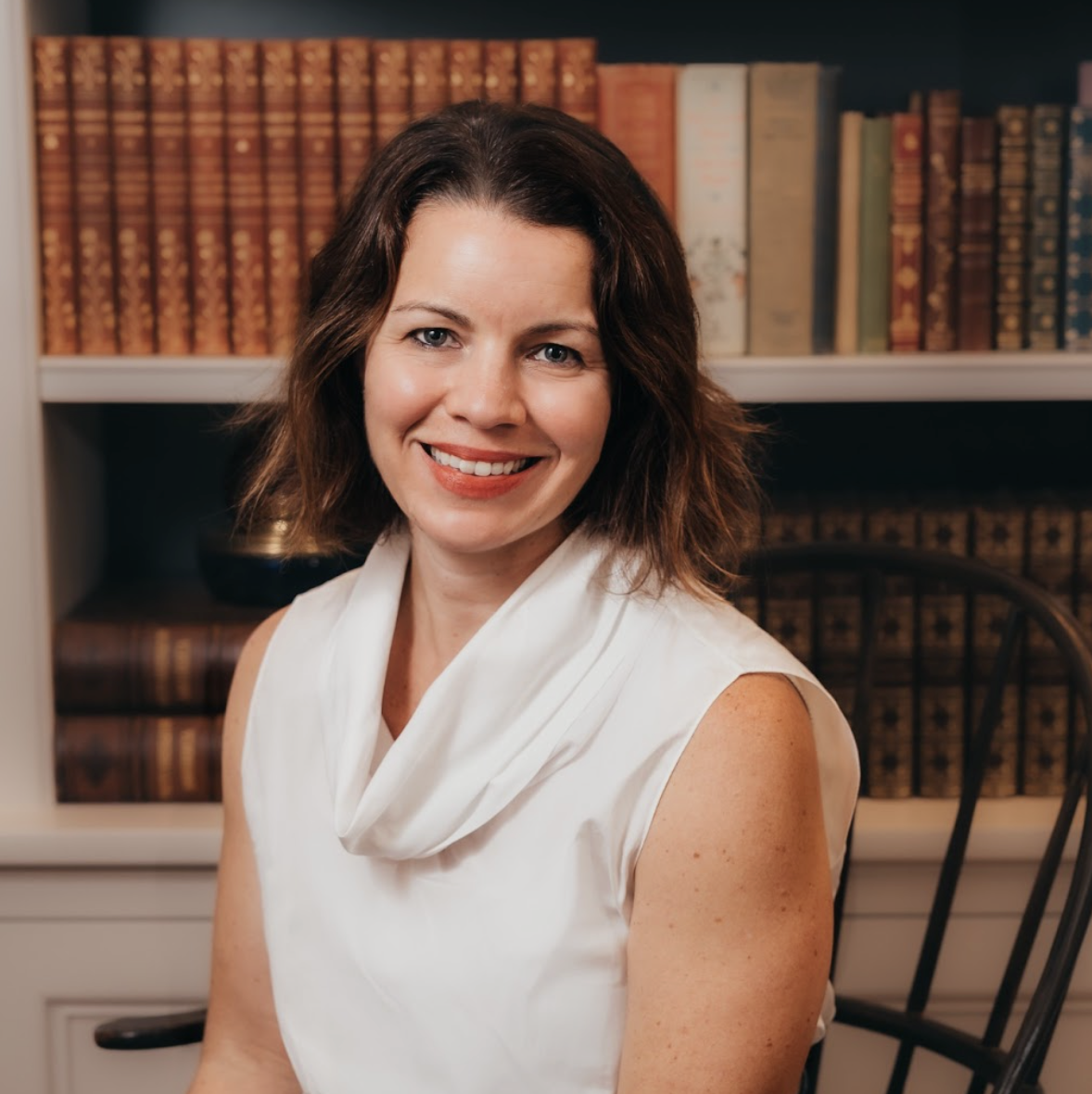
Dr. Margaret Marcus (Moderator)

Executive Director of the Sullivan Family Charitable Foundation
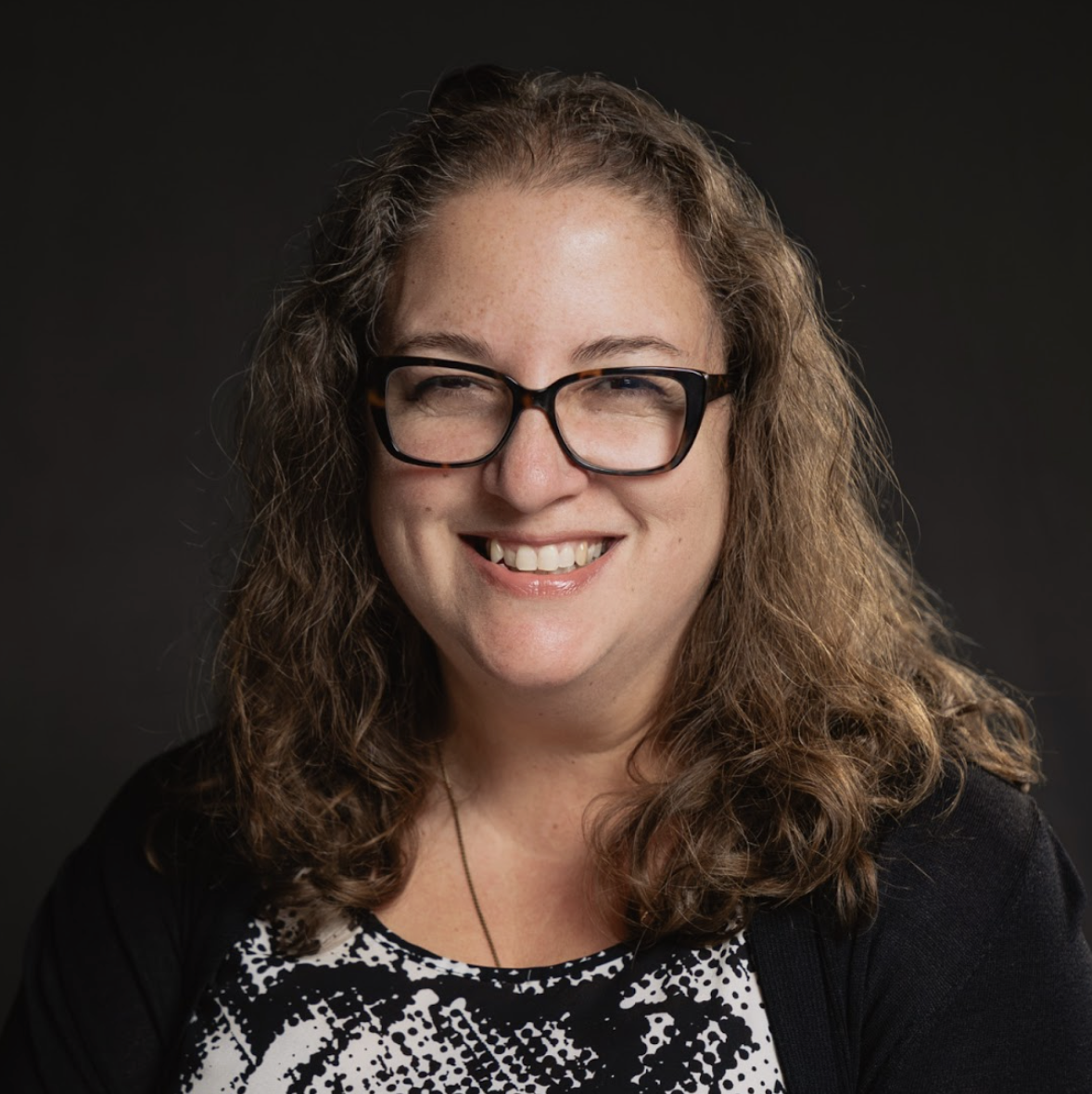
Rosanna DeMammos

Deputy Chief, Language Acquisition Division, Office of Teaching and Learning, DCPS
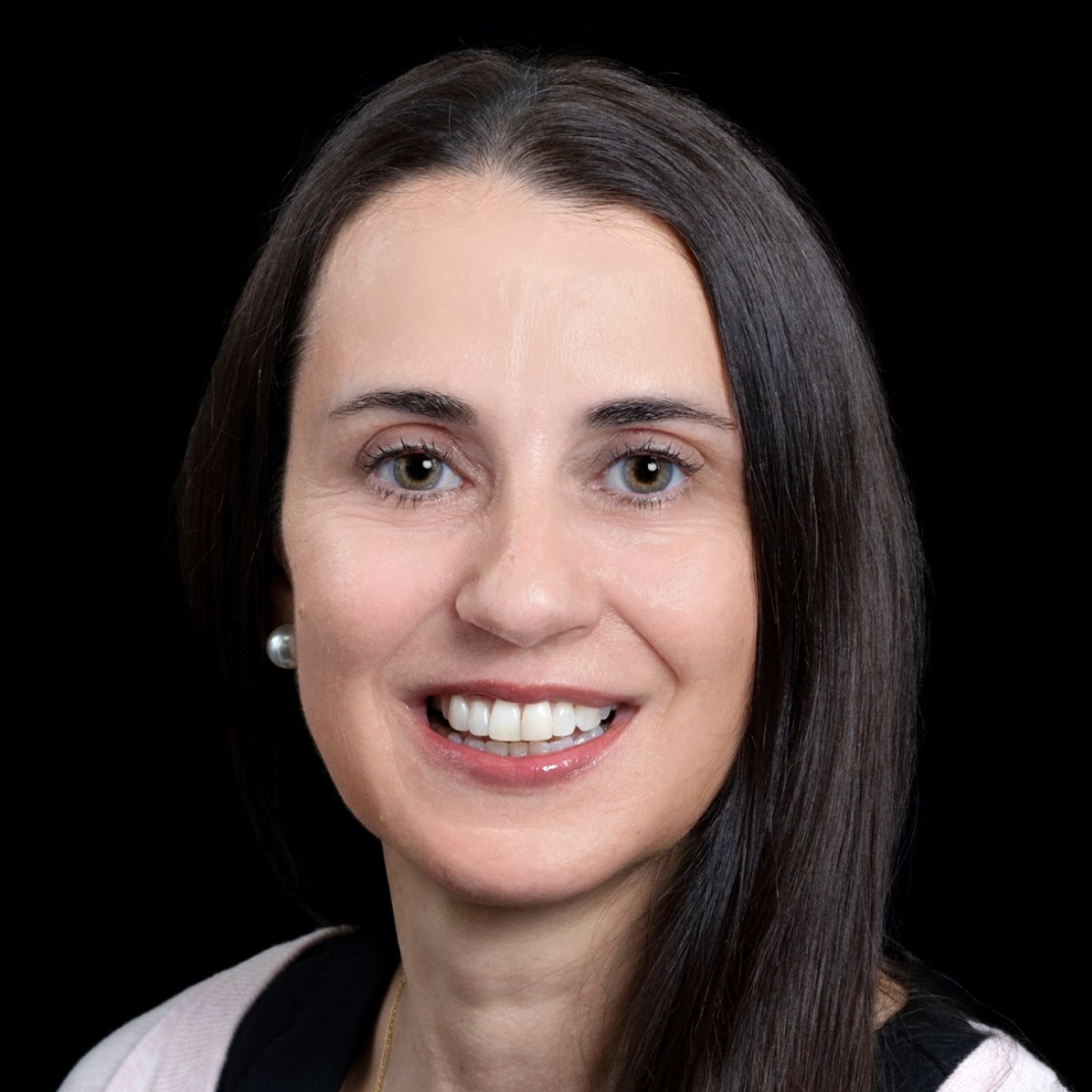
Christina M. Catalano

Chief Academic Officer, Anne Arundel County Public Schools
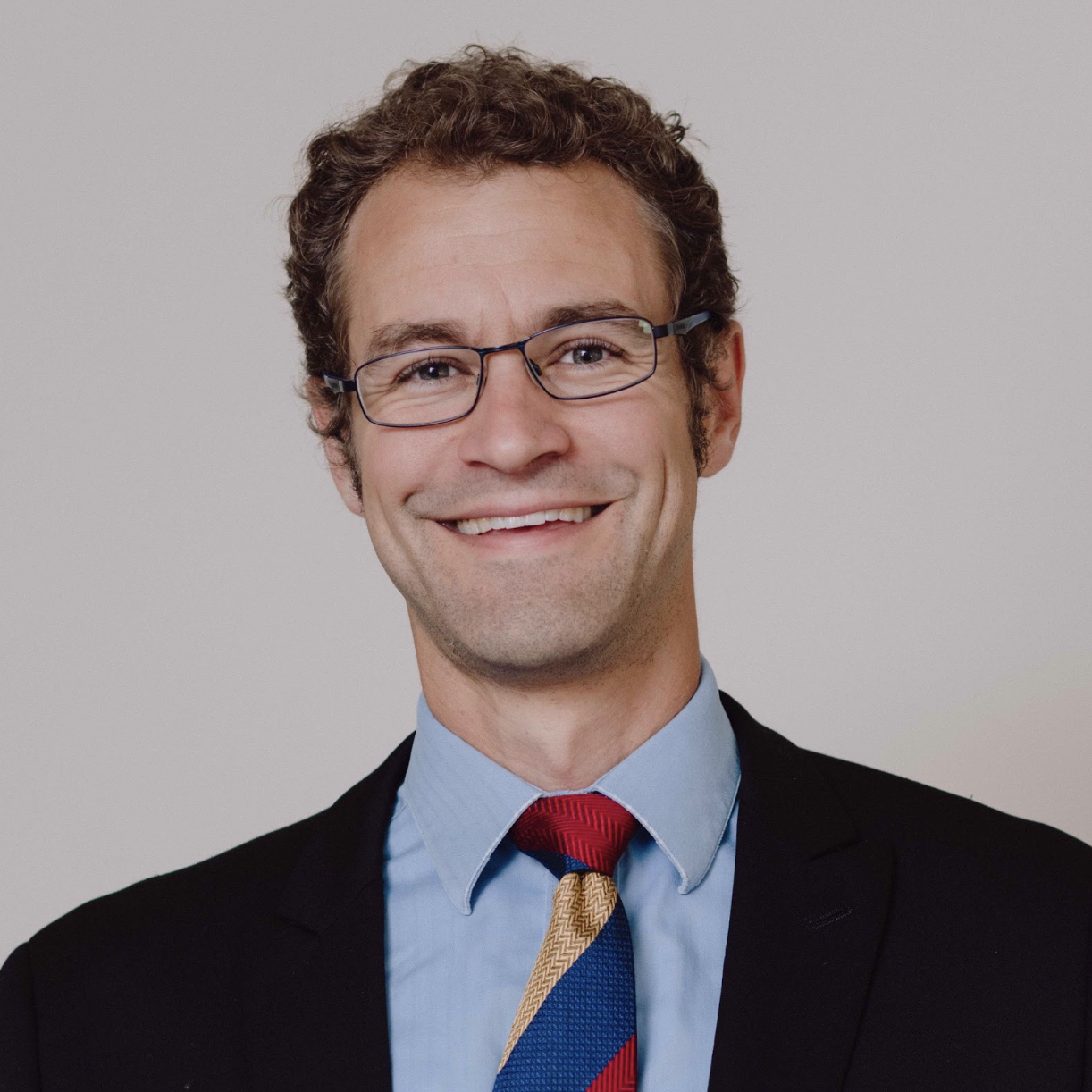
Dr. Conor P. Williams

Professor of Practice, Children's Equity Project
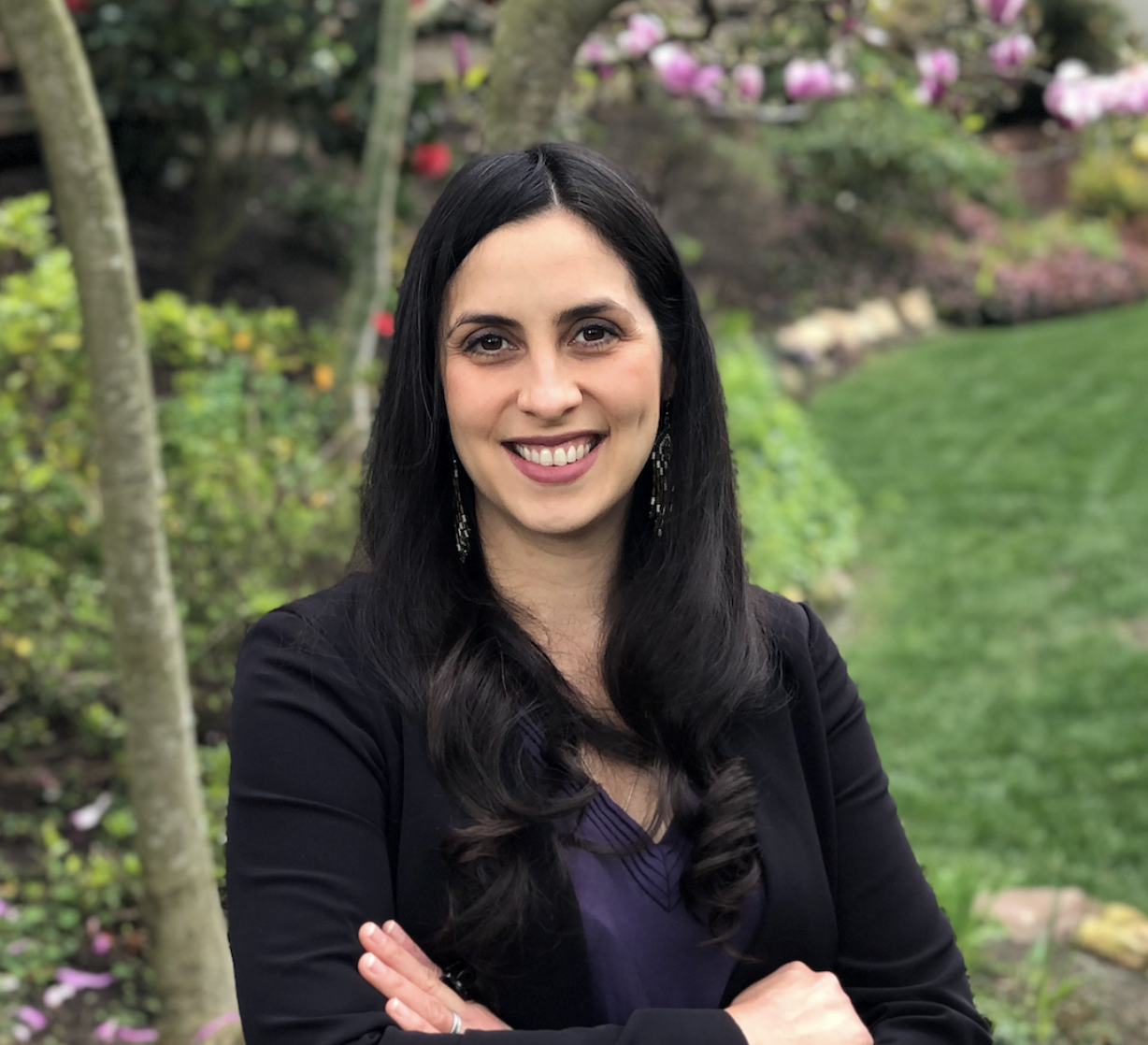
Beatrice Viramontes (Moderator)

Executive Director, Teach For America Bay Area
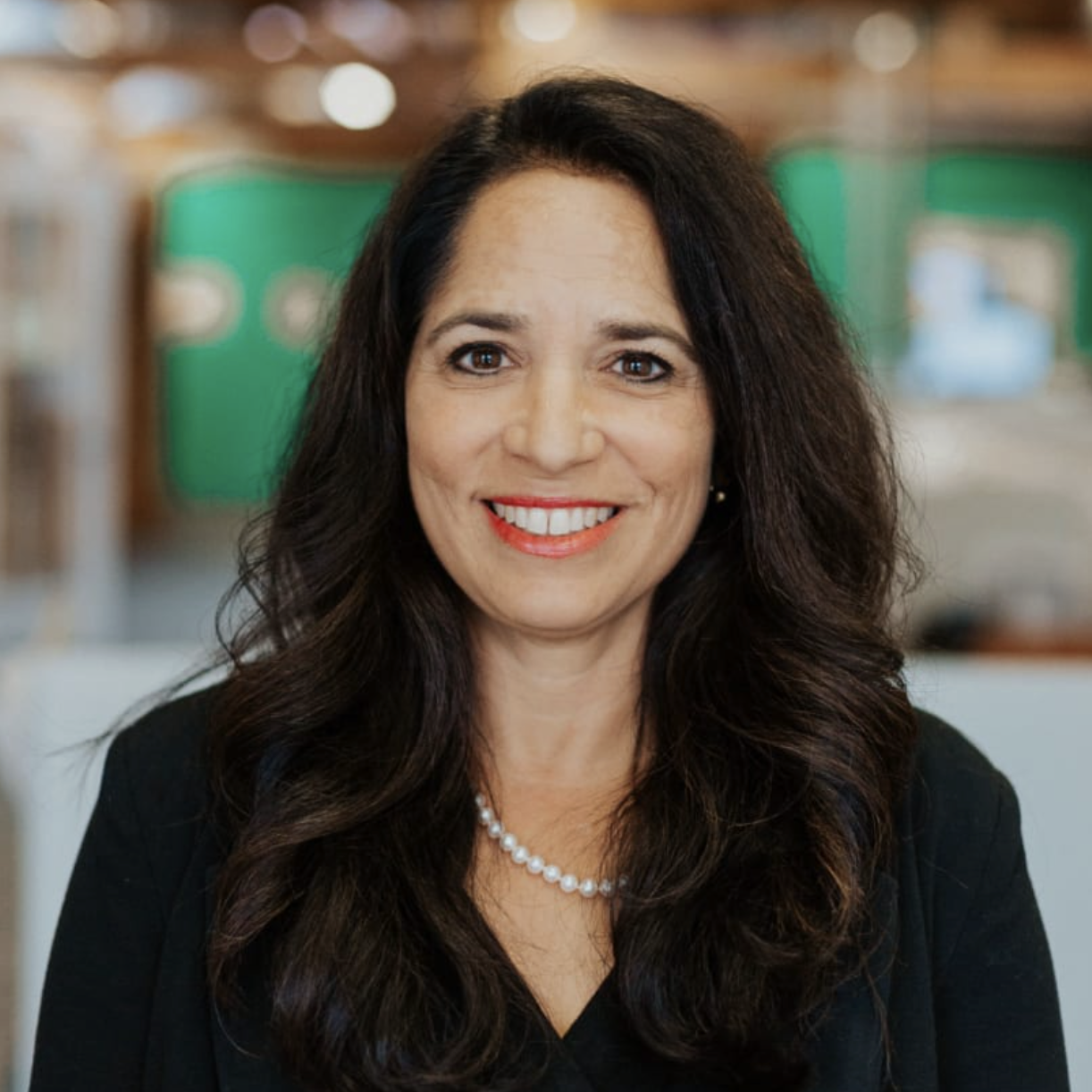
Rachel Ruffalo

Deputy Director, Strategic Advocacy; EdTrust-West
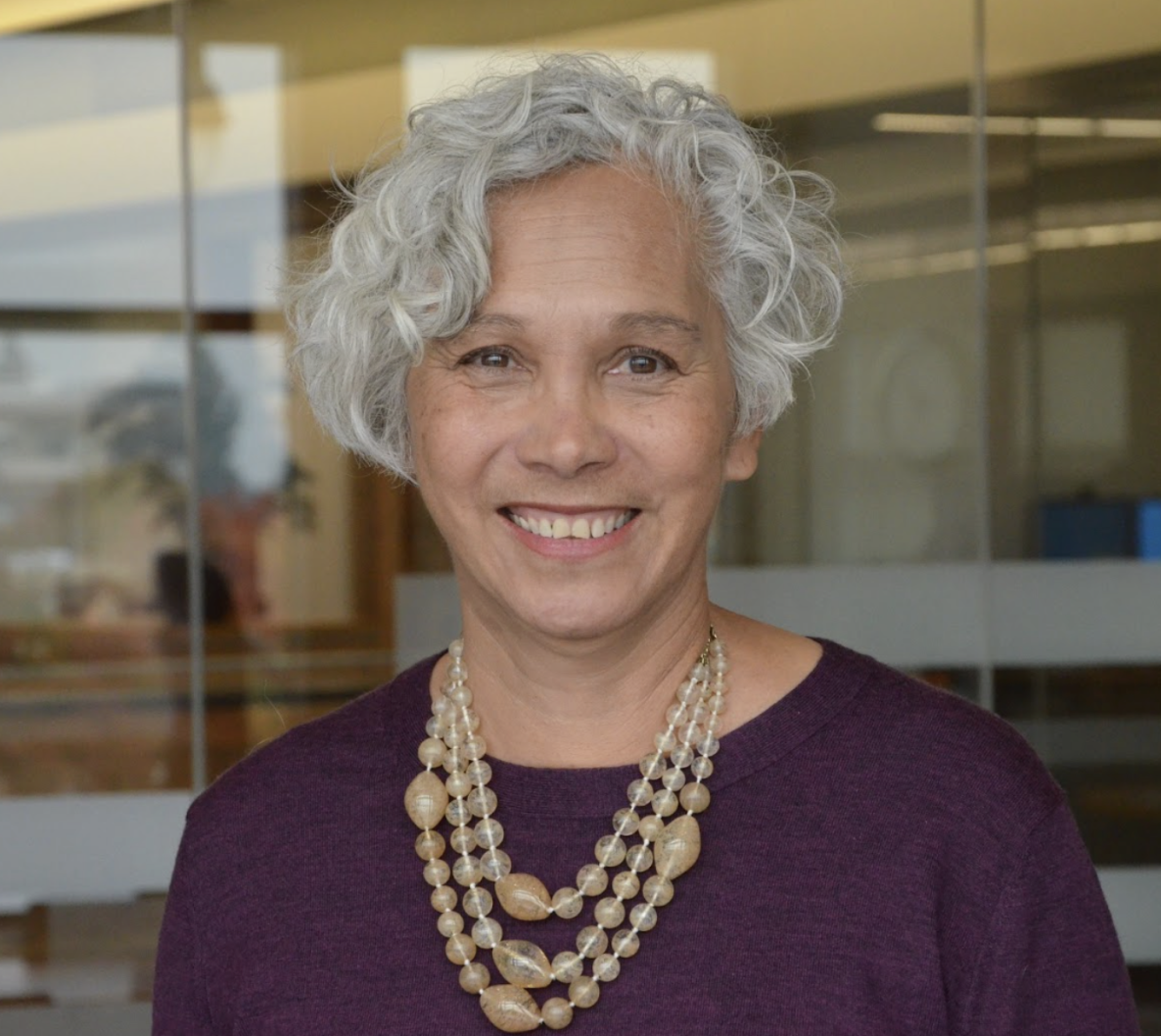
Malia Ramler

Program Officer Heising Simons Foundation
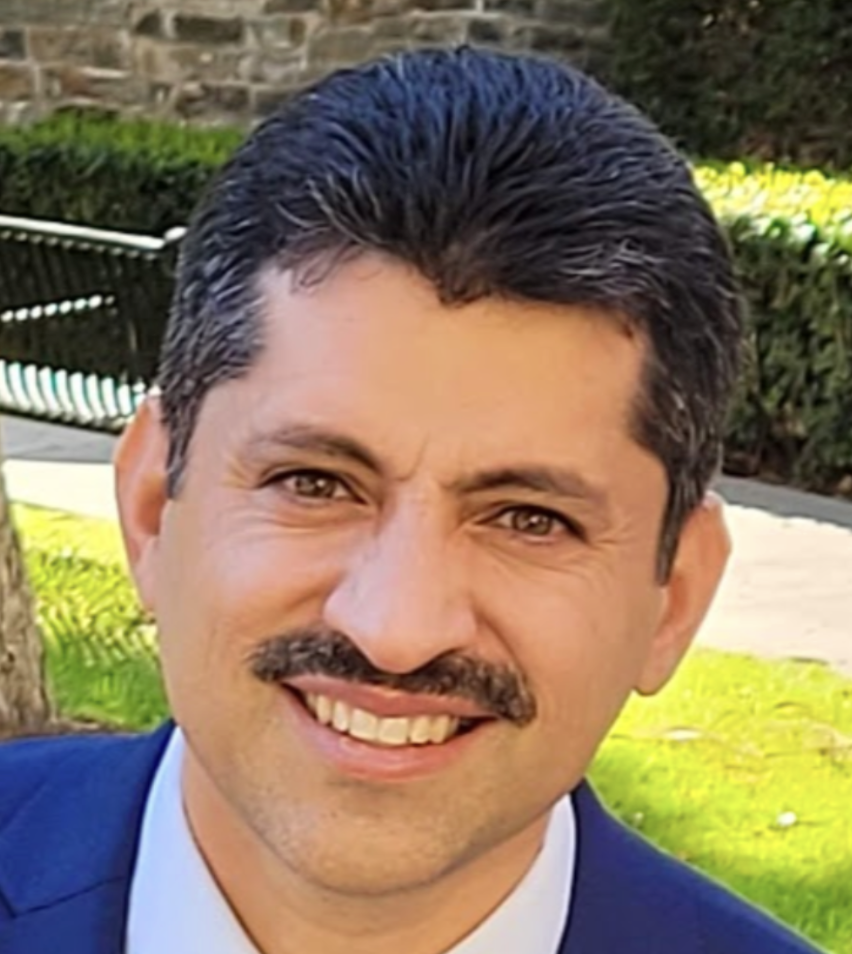
Aldo A. Ramírez, Ph.D.

Chief Executive Officer; Voices College-Bound Language Academies
Angelica Leveroni Gomez (Moderator)

Board Member at Ensemble Learning
Dr. Xóchitl Anabel Rocha

Director of Bilingual Education & GT Programs in the Office of School Programs at the Texas Education Agency

Dr. Conor P. Williams

Professor of Practice, Children's Equity Project
Juan Toscano Garza

Multilingual Program Director for Professional Learning and Instructional Support, Aldine ISD

Browse the Resource Folders

Continue the Work

The conversations from this series are just the beginning. Schools and systems across the country are working to strengthen instruction, align supports, and build environments where multilingual learners can succeed.

If you’d like to continue the conversation or learn more about partnering with Ensemble Learning:

Resources for the DMV Area Event

A study of the demographics of dual language immersion programs in a large sample of states and communities across the country. Includes recommendations for maximizing equitable access to these programs.

Focus group and polling data on families’ interest in bilingual, dual language, and/or English-only education models.

Policy analysis of several communities’ experiments in growing their bilingual teacher training pathways, with policy recommendations.

An analysis of Washington, D.C.’s enrollment lottery, with ideas for tweaking policies to make dual language immersion more fairly accessible across the city.

An analysis on how Washington, D.C.’s education reforms have improved schools overall but continue to fall short in effectively serving English learner (EL) students, who make up a significant portion of the population.

STRONG is a school-based program that helps immigrant and refugee students build resilience and cope with psychological stress. It includes group sessions, individual support, and resources for teachers and families, and is used internationally with multilingual materials.

Immigration and Know Your Rights Resources from grantees of the DC Mayor’s Immigration Justice Legal Services Grant.  Folders have been organized in multiple languages.

The US Department of Education released the Newcomer Toolkit through the Office of English Language Acquisition.  While no longer available on the website, the resource still provides critical information for the development and review of programs serving recently arrived students and families.

The US Department of Education released the EL Family Toolkit through the Office of English Language Acquisition.  While no longer available on the website, the resource provides guidance around how to engage with the families of ML students from an inclusive point of view.